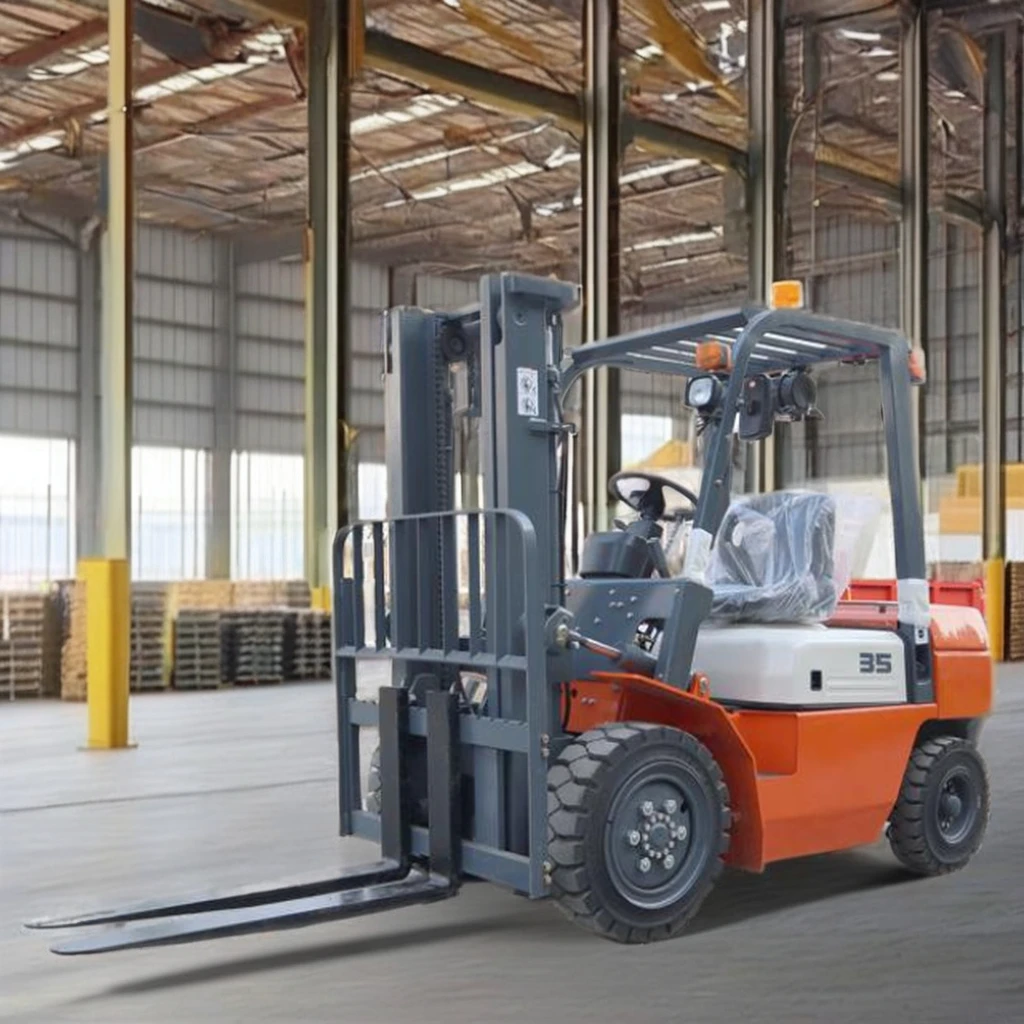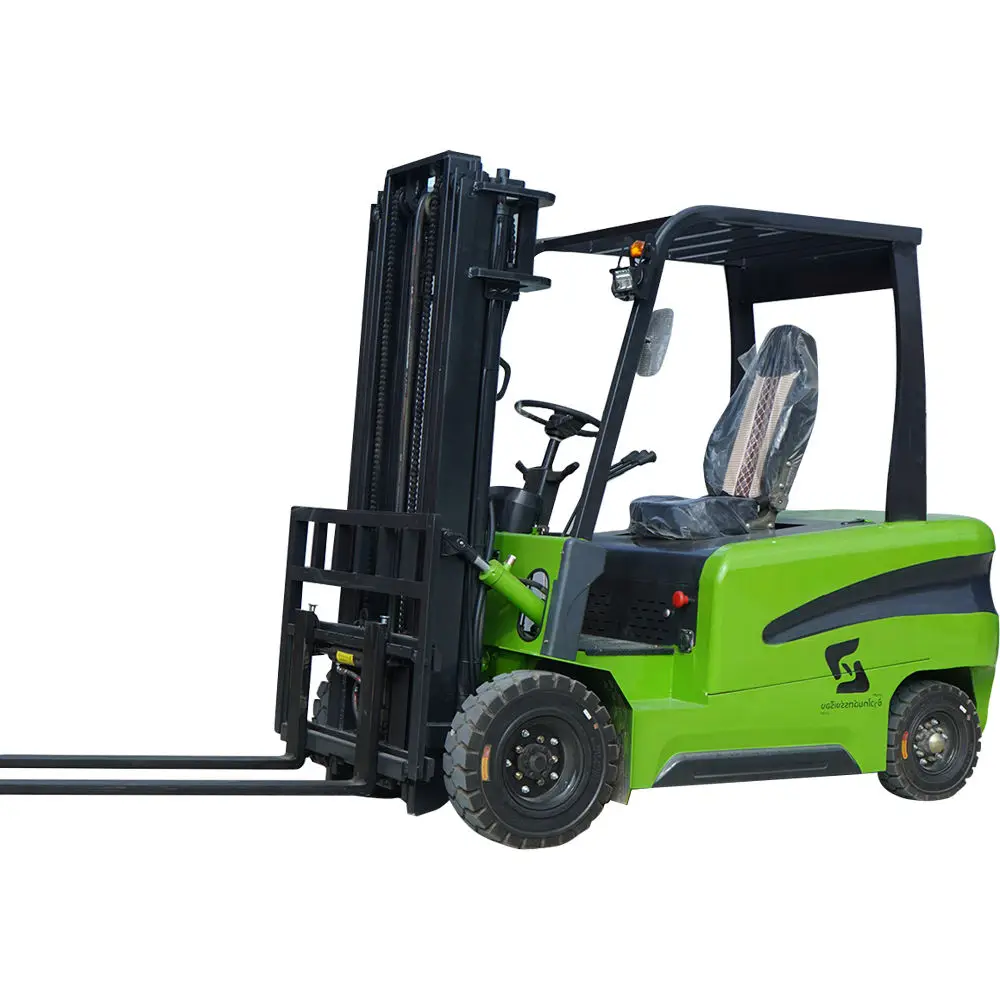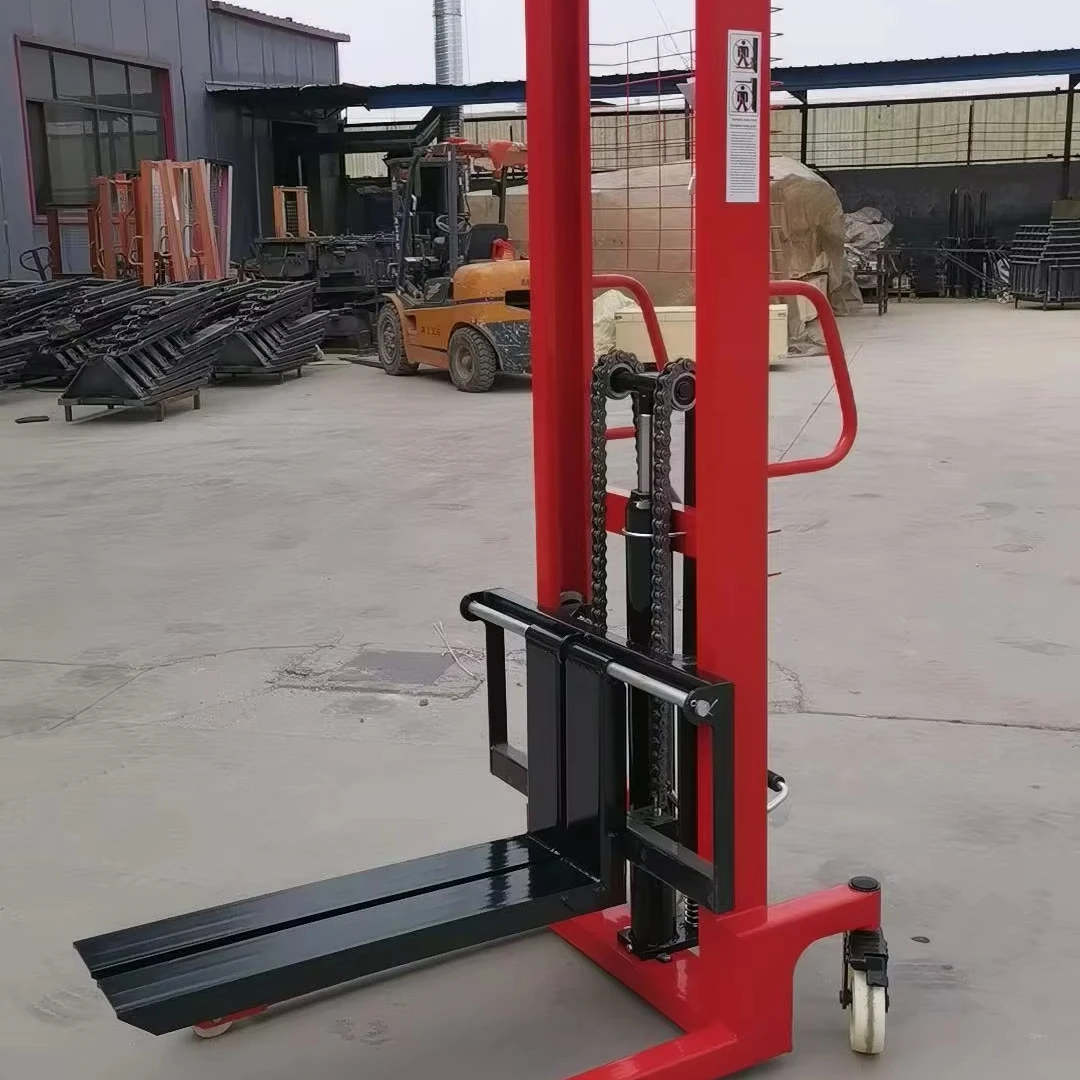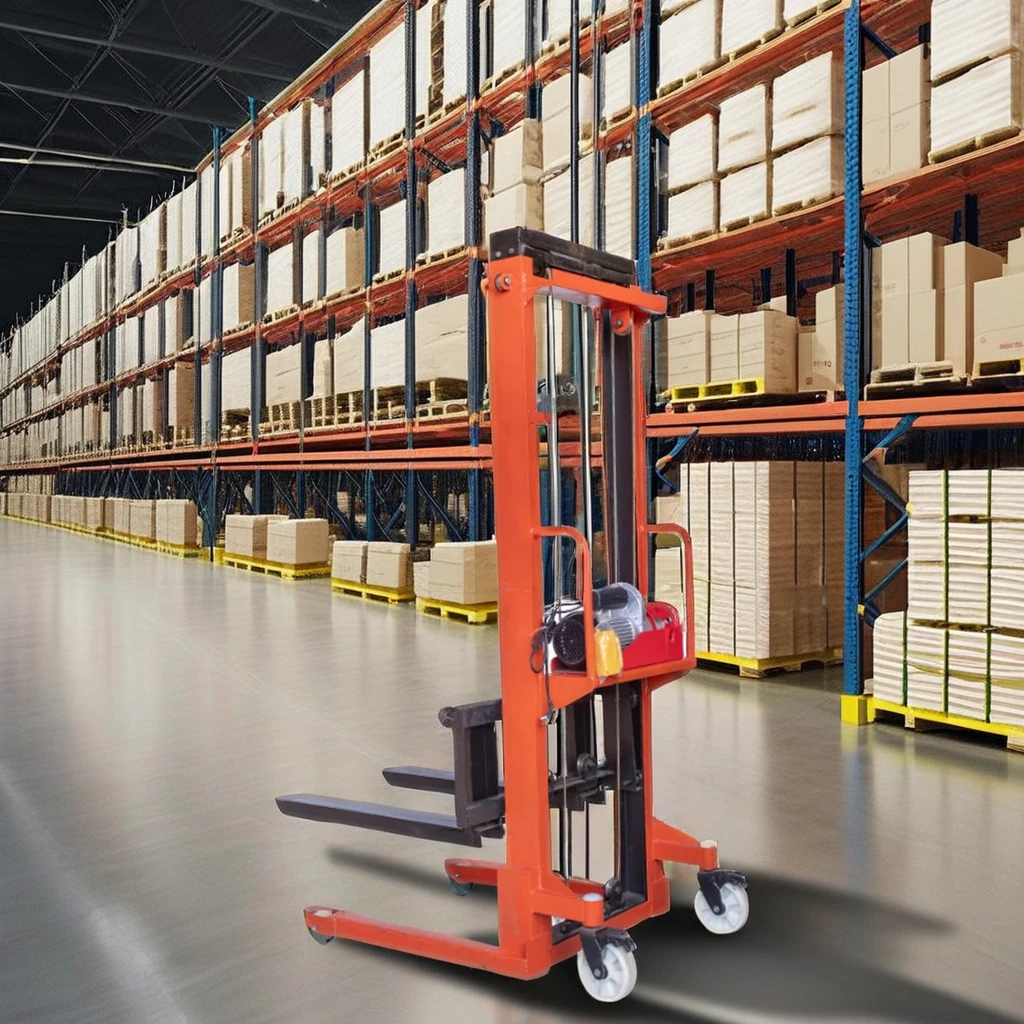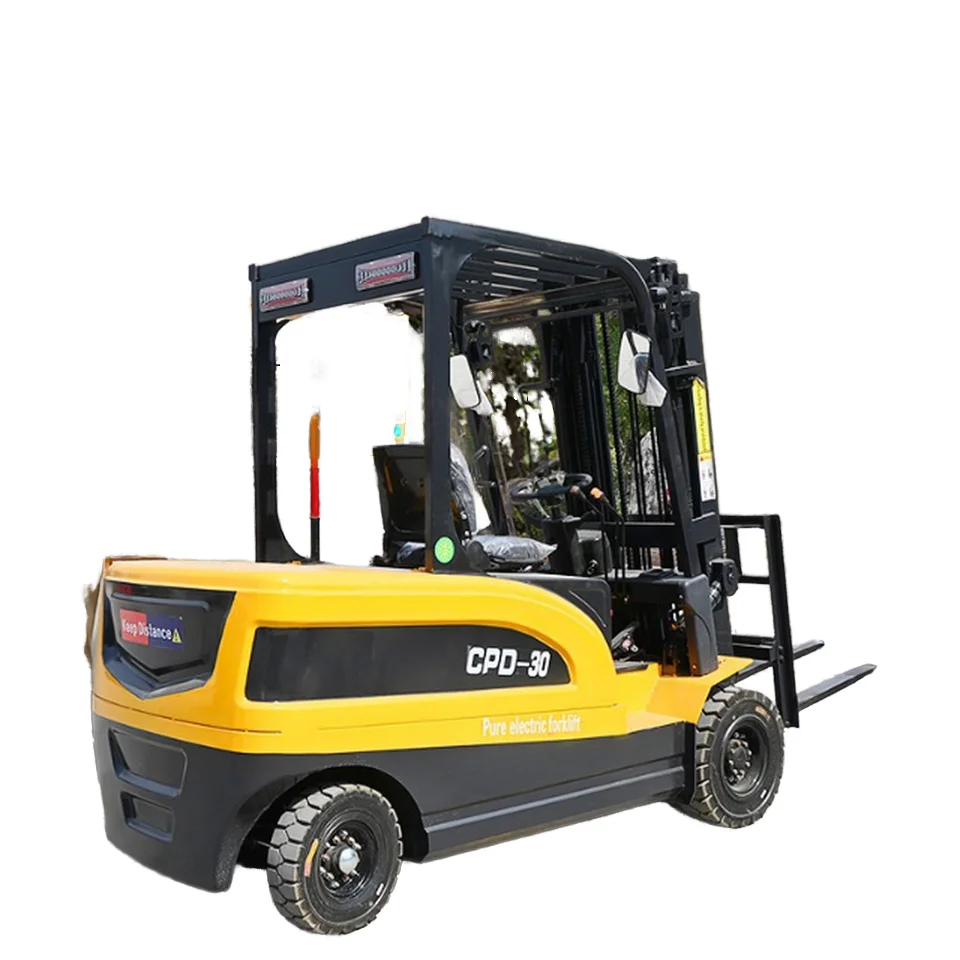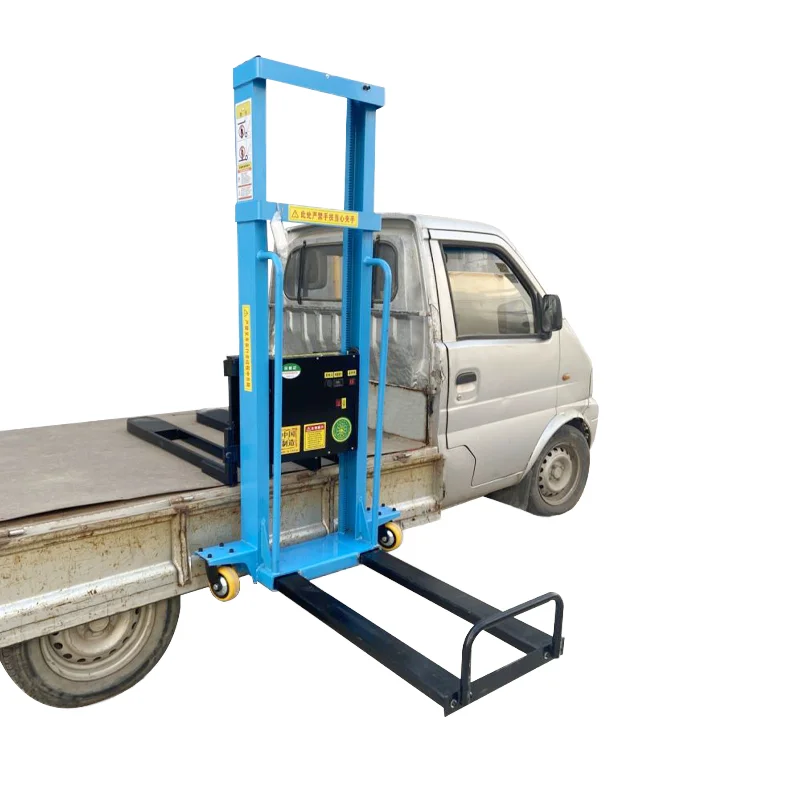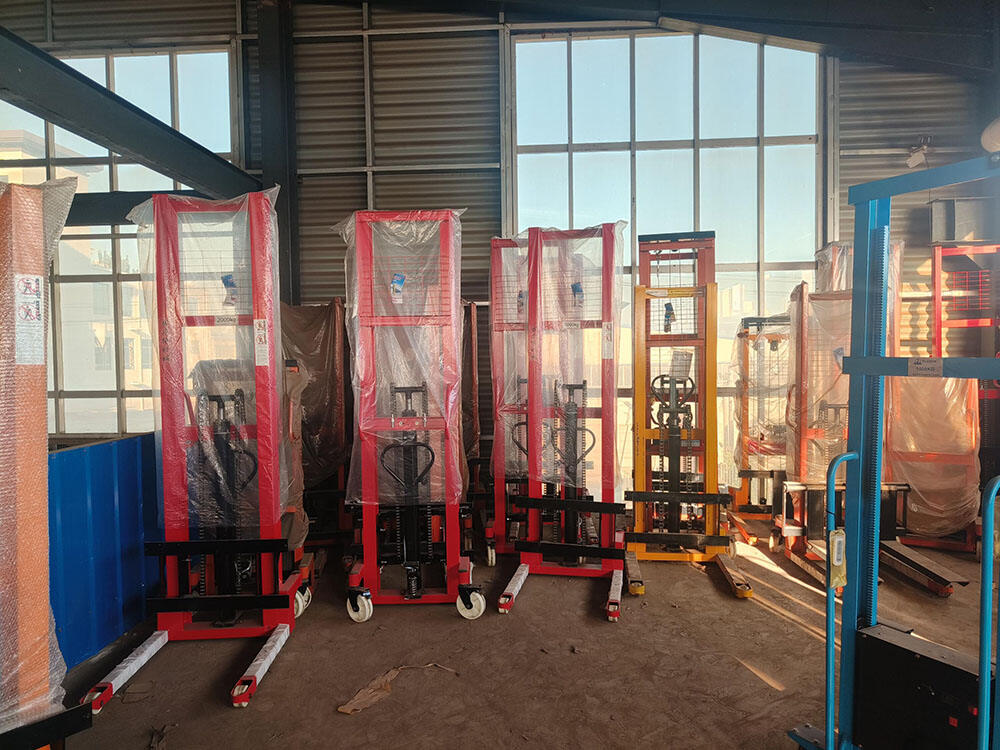
As the EU's requirements for green logistics continue to increase, our company has recently received warehouse equipment distributor customers from Germany. They came to find stacking equipment that meets EU environmental standards and is suitable for high-rise warehouses. After visiting our production base and verifying the product compliance, they finally signed an order to purchase 18 full-electric stackers—opening the door for our products to enter the high-end European material handling market.
The German customers have extremely strict requirements for production standards. During the visit, they successively inspected our raw material testing laboratory, welding process workshop, and finished product testing area. When they saw the precise lifting operation of the stacker prototype under the simulated high-rise shelf (12-meter height), they immediately requested to check the product's CE certification reports and performance test data to further confirm the product's compliance and stability.
This full-electric stacker is a key product developed by our company for the European market, with core advantages focusing on "precision, safety, and environmental protection". In terms of lifting precision, it adopts a servo motor to control the lifting system, with a positioning error of less than 5mm, which can accurately connect to the 1.2m × 1.0m standard pallets commonly used by German customers, avoiding cargo offset and damage. With a maximum lifting height of 12 meters, it meets the space utilization needs of high-rise warehouses and is 25% more efficient in lifting than similar products. In terms of safety performance, it is equipped with three levels of protection: first, overload protection, which automatically cuts off power when the load exceeds the rated value (2 tons); second, anti-fall protection, which triggers the brake when the lifting platform descends faster than 0.3m/s; third, human-machine induction, with infrared sensors installed around the body that automatically decelerate when the distance to obstacles is less than 30cm, complying with German industrial safety standards (DIN EN 1757-1). In terms of environmental protection, it uses lead-free batteries and recyclable shell materials, reducing carbon emissions by 100% compared with internal combustion stackers, fully meeting the EU's "carbon-neutral logistics" requirements. Moreover, the battery can be charged and discharged cyclically more than 1,500 times, with a service life of up to 5 years.
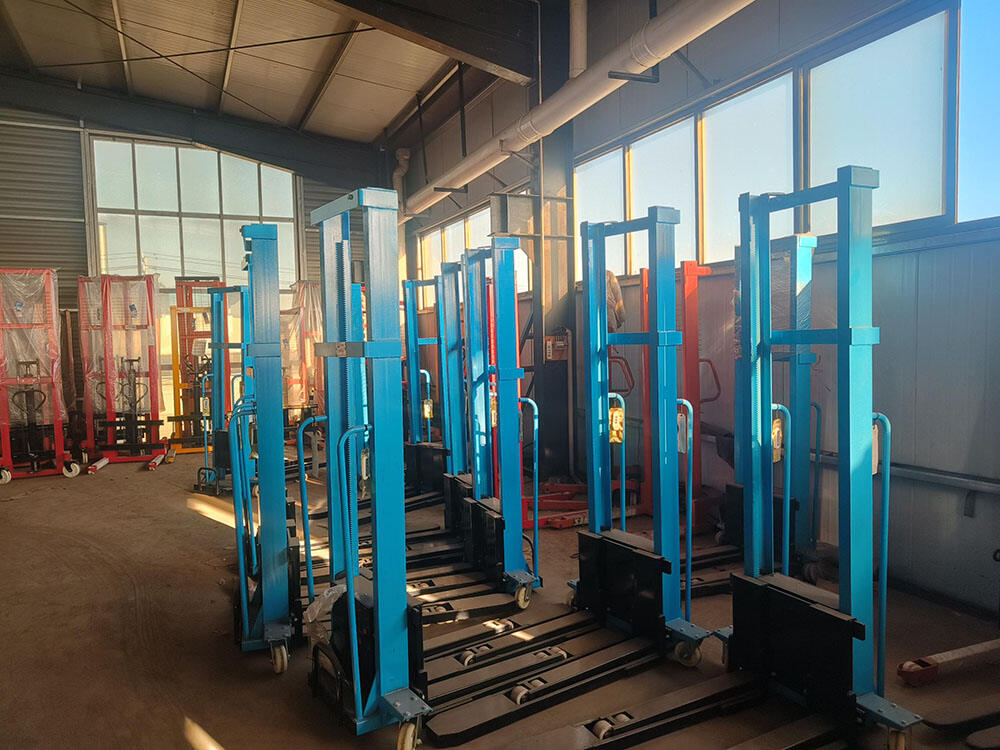
During the negotiation, the German customers focused on the compatibility of the product with EU warehouse systems, such as whether it can connect to their commonly used WMS (Warehouse Management System). Our technical team demonstrated the API interface debugging of the stacker on-site, proving that it can upload operation data (such as lifting times and load records) to the customer's system in real time. Meanwhile, we provided German-language operation manuals and after-sales training, addressing the customer's concerns about localized usage.
This cooperation is not only a recognition of our stacker technology but also allows us to accumulate service experience in the high-end European market. In the future, based on feedback from German customers, we will optimize the low-temperature startup performance of the stackers (to adapt to the low-temperature environment in European winters) and further enhance the product's competitiveness in the European market.
 EN
EN